
Not all water leaks cause obvious puddles or streaming water. Many damaging leaks in Anoka homes remain hidden behind drywall, under slabs, or in crawl spaces. They slowly seep for months before becoming visible. By then, mold spreads and structural wood begins rotting.
Knowing the early warning signs and scheduling timely leak detection in Anoka, MN can save homeowners thousands in repair costs. Here are the five most telling indicators that you may have a hidden water leak.
Sign 1: Your Water Bill Suddenly Increased — With No Explanation
An unexplained billing jump is often the first clue. If water bills climb by $30 to $50 without lifestyle changes, suspect a hidden leak. A leaking toilet wastes 200 gallons daily, while pinhole copper leaks waste even more.
Compare your utility statements month-to-month against last year. A steady upward billing trend without extra usage warrants professional leak testing.
Sign 2: Soft, Discolored, or Warped Wall and Ceiling Surfaces
Slow leaks saturate drywall and fiberglass insulation over time. Watch for yellowish ceiling stains, bubbling wall paint, and soft drywall patches. Baseboards may warp or buckle as water pools. Darkened bathroom grout lines or loose floor tiles also signal hidden subfloor moisture.
Sign 3: Musty Odors Without a Clear Source
Mold and mildew start growing within 24–48 hours of sustained moisture. If you notice persistent musty smells without obvious spills, check walls near plumbing runs. Mold thrives in dark, damp wall cavities where leaks hide. Odors often precede visible black mold by several weeks.
Sign 4: The Sound of Running Water When Everything Is Off
Turn off all appliances, faucets, and toilets in your home. Stand quietly and listen. Faint hissing or rushing sounds behind walls indicate an active pressurized leak.
You can also check your municipal water meter. Note the dial, wait 30 minutes without using water, and recheck the meter. Any movement confirms water loss in your supply lines.
Sign 5: Unexplained Wet Spots or Lush Grass in Specific Yard Areas
An unusually lush patch of lawn often indicates an underground pipe leak. Water lines running toward the street feed excess moisture directly to grass roots. Muddy surface soil during dry Minnesota weather also signals broken underground pipes near your foundation.
What to Do If You Suspect a Hidden Leak
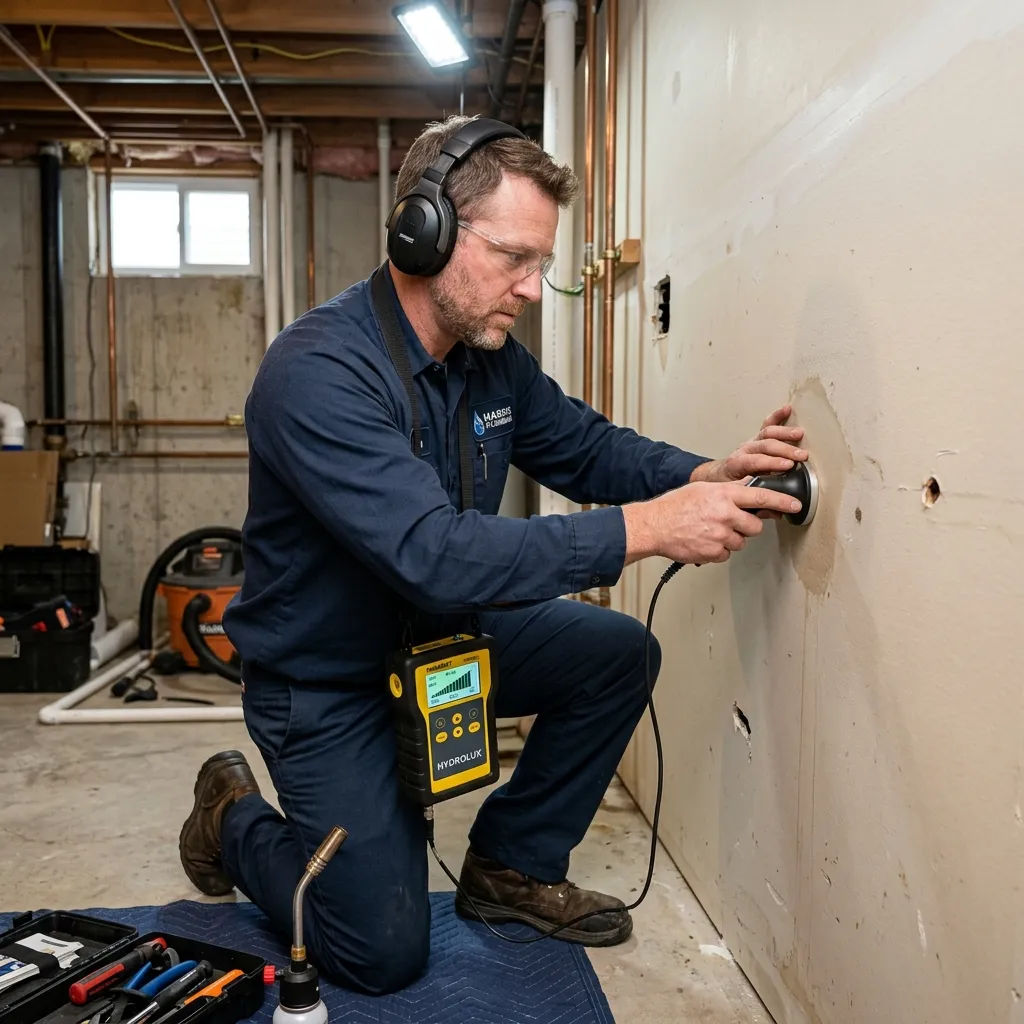
Do not ignore the signs or assume they will resolve on their own — they will not. A professional leak detection service uses acoustic listening equipment, thermal imaging cameras, and pressure testing to pinpoint hidden leaks without tearing open walls unnecessarily. This non-invasive technology locates the exact point of failure so repair is targeted and minimal.
The Cost of Waiting vs. Acting Early
A hidden leak caught early costs just a few hundred dollars to repair. Delaying repair for 6 months can cause $5,000 to $30,000 in severe structural and mold remediation costs.
Anoka winter freeze-thaw cycles place severe stress on older pipe joints. Call a plumber promptly if you recognize any of these warning signs.